Hi, I'm Ayush Tibrewal
Undergraduate at DTU, passionate about building intelligent systems with a strong interest in full-stack development, AI/ML, deep learning, and computer vision.
Real-world Results
Featured Projects


My Professional Journey
Dec 2024 - Feb 2025
Dec 2024 - Feb 2025
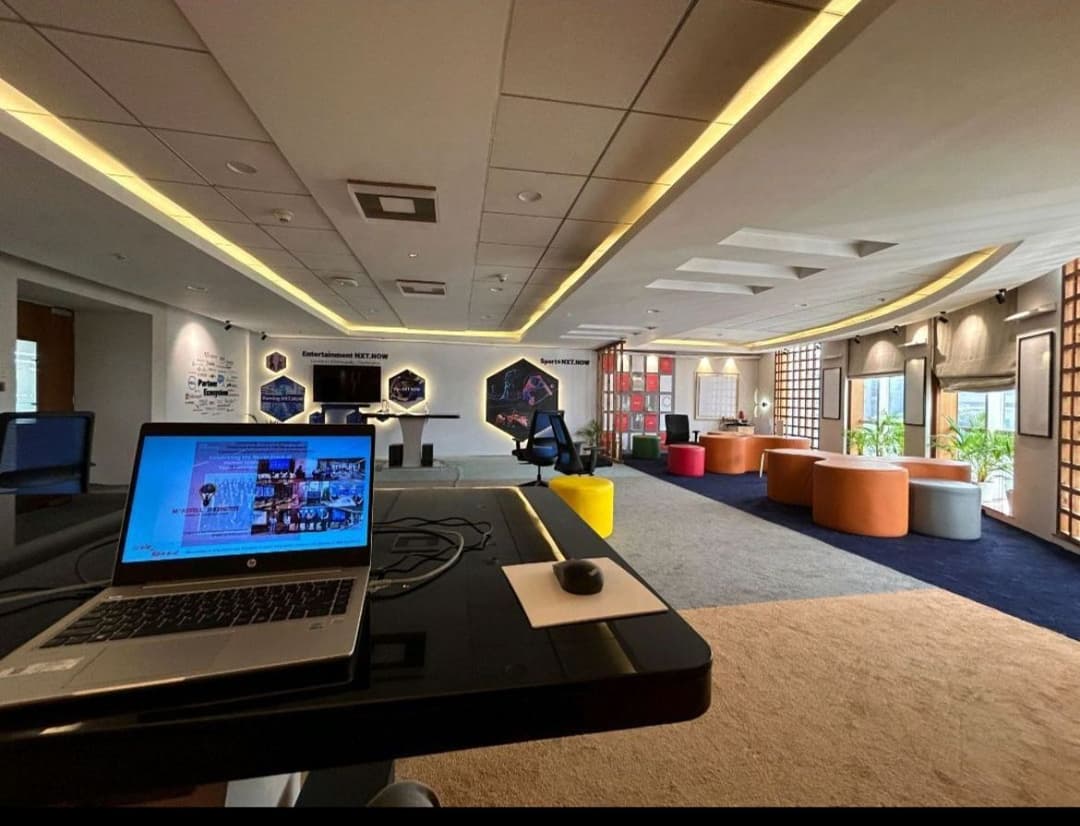
Software Developer Intern at Tech Mahindra - Built backend for multi-agent network systems to automate issue detection & resolution.

Oct-2023 - Mar 2024
Oct-2023 - Mar 2024
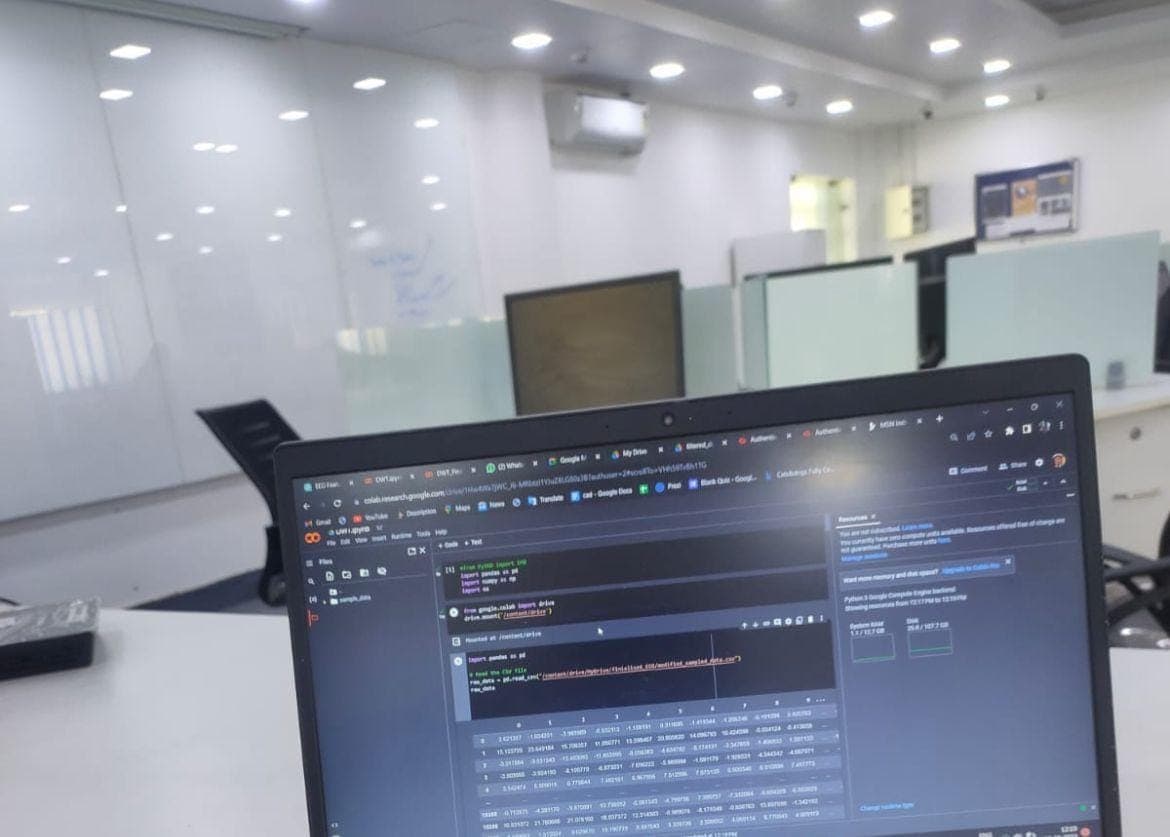
Machine Learning Intern at Samsung Innovation Lab - Developed DL architectures for EEG-based stress classification achieving 98.73% accuracy.
Dec 2023 - Mar 2024
Dec 2023 - Mar 2024
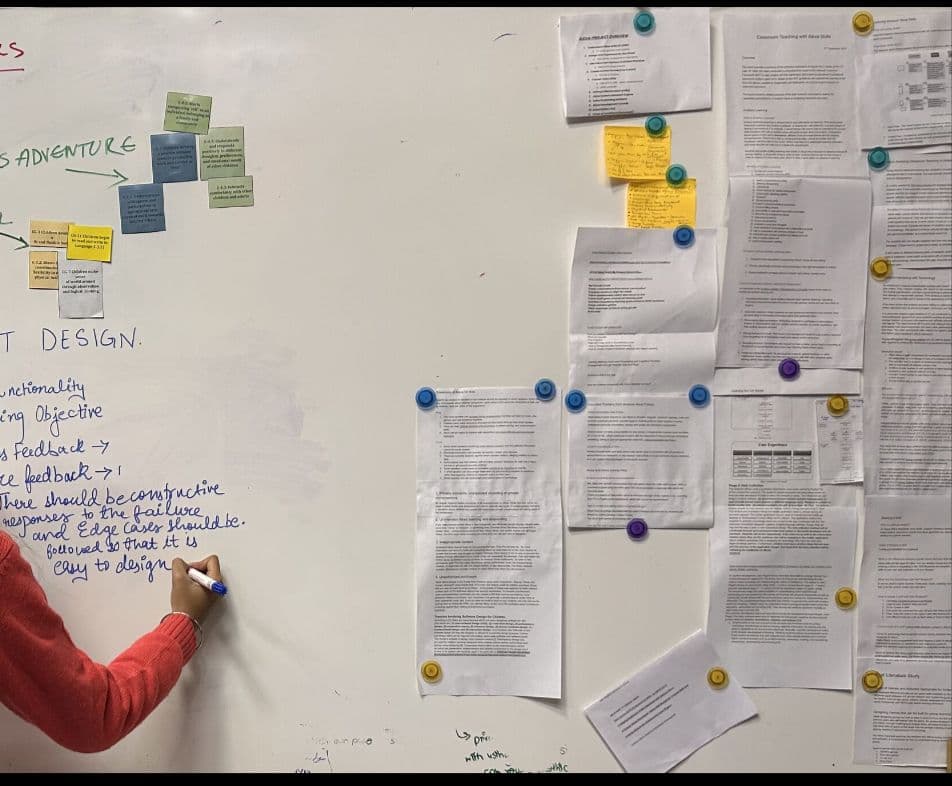
Research and Development Intern at Indian Institute of Technology - Delhi - Applied ML/DL on EEG data to classify cognitive load based on entropy and complexity metrics.


Aug 2023 - Sept 2023
Aug 2023 - Sept 2023
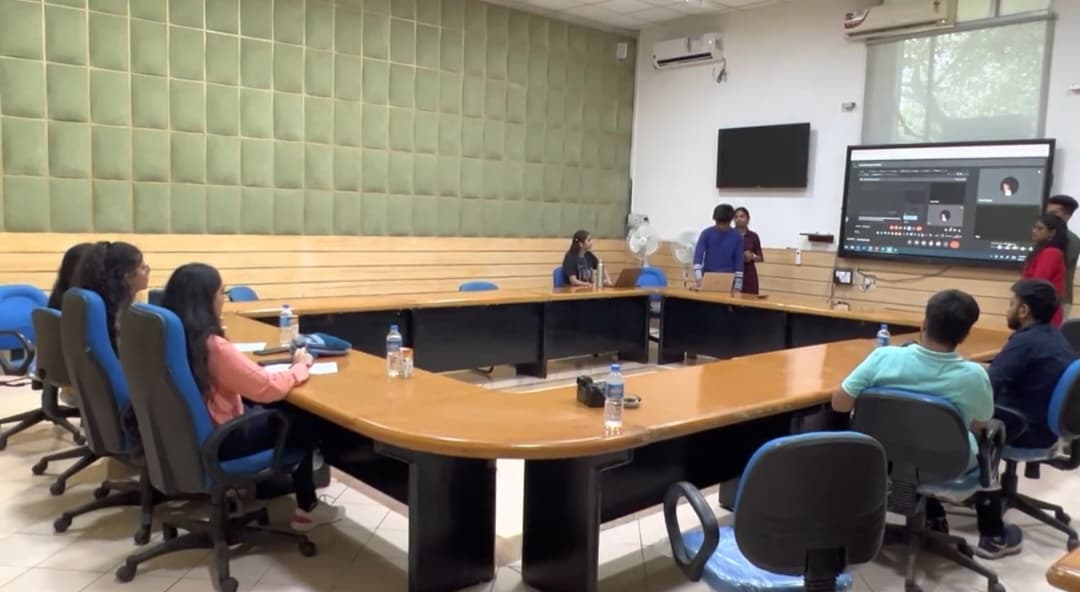
Research Intern at IGDTUW - Built deep learning models to classify strokes from CT scans.
Turning ideas into impact with
Every Click
Research Publications
The Effectiveness of Advance Deep Learning Architectures for Classification of Stress using Raw EEG Data
Understanding and detecting stress in today’s fast-paced world remains challenging. Previous research has explored various physiological signals, including EEG (Electroencephalography), to quantify stress. However, accurately assessing stress poses a significant challenge, particularly in preprocessing and feature extraction of EEG signals. Hence, this paper employs advanced deep learning algorithms, including ResNet18-1D, DenseNet-1D, and VGG16-1D, on raw EEG signals for automated stress classification..
Ayush Tibrewal, Shikha, Divyashikha Sethia
Enhancing Detection Accuracy of Brain Stroke Through Cropped CT Scans With CNN Architectures
A stroke is a life-threatening condition caused by a sudden disruption in the brain's blood supply, potentially resulting in severe neurological damage or even death. Early and accurate identification of strokes is vital for prompt treatment and better health outcomes. This study utilizes advanced deep learning architectures to predict strokes and non-strokes from CT (Computed Tomography) images. Cropping techniques are employed to reduce noise and enhance image quality. Various deep learning algorithms, including EfficientNetB0, VGG16, MobileNet, and DenseNet, are explored, Notably,
Ayush Tibrewal, Priya Pahwa, Surbhi Bharti, Ashwni Kumar